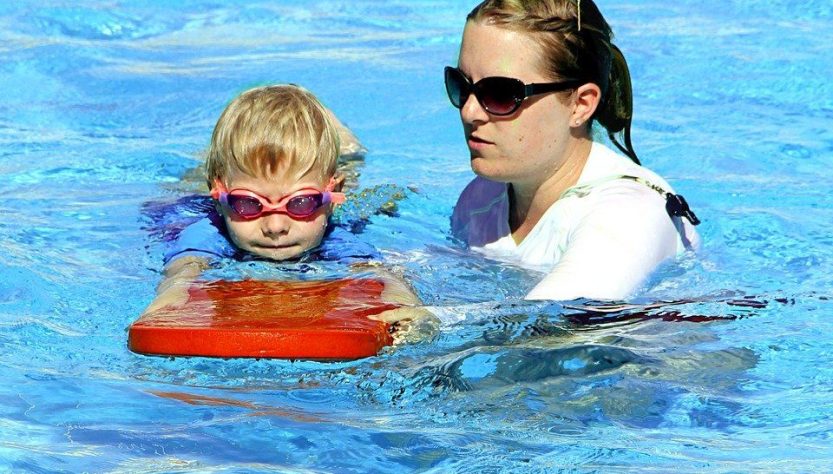
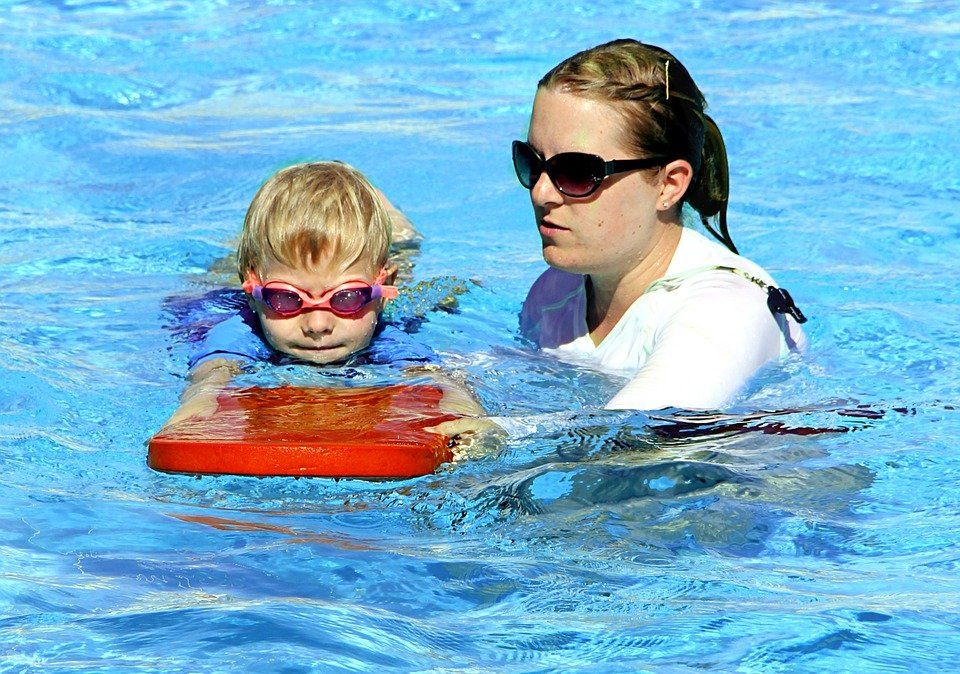
Swimming is one of the most valuable skills a child can learn. It keeps them safe, builds confidence, supports fitness, and creates a positive relationship with the water that lasts a lifetime. Many parents look for reliable swimming lessons near me because they know how important this early learning stage is. For families in West Yorkshire, there is a strong local appetite for quality instruction, and safe tuition plays a vital role in a child’s growth. If you are looking for trusted guidance, you can explore the range of local lesson options available on the swimming tuition page at this Leeds based provider.
Early swimming education gives children practical skills that they can draw on throughout their lives. It is a steady and gentle process that focuses on safety, comfort and gradual improvement. Children learn at different speeds, yet each step forward is meaningful. Early water confidence is not only about swimming strokes. It is about learning how the body behaves in the water, how to float, how to stay calm, and how to enjoy the process.
Parents often wonder when to start. Many choose to introduce children to the water long before formal lessons begin. Others wait until they feel their child is ready. There is no single right answer, but starting early is often linked to higher confidence and better long term outcomes. This post explores why early swimming lessons are so important, what benefits they offer, and how parents can support their children.
The Importance of Early Water Confidence
Confidence is one of the strongest foundations in any sport, but it is especially important in swimming. Young children who spend time in the water from an early age tend to feel open and relaxed when they take part in swimming lessons. Even simple play in shallow water helps them learn the feeling of buoyancy, gentle movement and balance.
Children who lack early confidence often show signs of hesitation. This is normal, but it can slow progress. Skilled instructors guide children with clear direction and steady reassurance. Step by step, young swimmers begin to trust the process. They learn that the water supports them and that their own actions make a difference. Early positive moments help shape their long term relationship with the sport.
Parental support also matters. Children mirror their parent’s reactions. When a parent stays calm and steady, the child feels safe. Small actions like holding hands in the water or showing a relaxed face can help ease nerves. Parents do not need to know how to swim well themselves. What matters is calm encouragement.
Why Early Swimming Lessons Matter for Safety
Safety is one of the main reasons parents look for childrens swimming lessons. Water can be dangerous, yet many risks reduce when children learn essential skills. Early swimming education teaches lifesaving basics in a simple and controlled environment.
Children learn to:
- Float on their backs
- Hold onto the pool edge
- Move through the water with simple kicks
- Stay calm if they slip under the surface
- Listen to instructor cues
- Respect water depth and pool rules
These skills can save lives. Even if a child does not become a strong swimmer right away, these basics are often enough to prevent panic. Safety training is woven into every lesson without creating fear. Instructors introduce safety rules in easy language and make them part of normal pool behaviour.
Parents often feel more at ease once their children show these skills. Many parents express relief when they see their child float without support or return to the pool wall without help. The goal is not perfection. The goal is awareness, control and calm reactions.
Building Physical Strength Through Early Swimming
Swimming is a full body activity that builds strength in a gentle way. Young children improve their core stability, leg strength and arm control without strain on their joints. This makes it suitable for children of all fitness levels and body types.
Regular practice supports:
- Stronger muscles
- Better balance
- Improved posture
- Good coordination
- Healthy breathing patterns
- Joint mobility
Unlike some sports that rely on impact, swimming offers resistance. This helps children become strong without the risk of pressure on growing bones. When combined with regular routines, swimming lessons help children feel fit and active without noticing the effort. Many parents appreciate that lessons support health in a low pressure environment.
Swimming Lessons Support Mental Development
The benefits of early swimming are not only physical. Water based learning supports mental development too. Young swimmers learn focus, discipline and patience. Lessons have a clear structure and follow simple instructions, which helps children learn how to listen, follow steps and react with confidence.
Swimming can also help reduce anxiety. The water is a calming environment when guided well. Children who may feel tense in other activities often relax during childrens swimming lessons. The controlled breathing, steady movement and gentle pressure of the water create a sense of calm.
Many instructors incorporate small skills at a time. This encourages a positive mindset. Children learn to attempt, adjust and improve without pressure. Short tasks give them a sense of achievement, and even small progress helps build self esteem.
Social Skills and Group Learning
Group swimming lessons in Leeds or elsewhere in the UK offer children the chance to build social skills. They learn how to wait their turn, how to cheer others on, and how to focus while others are learning beside them. Group settings create a supportive atmosphere and help children learn teamwork even in an individual sport.
Children in group lessons often form bonds with classmates. They progress together, celebrate each other’s improvements, and encourage each other. The pool becomes an environment where children can grow socially as well as physically.
However, group lessons are not the right fit for every child. Some need a quieter environment or more focused attention. In these cases, parents may look for one to one sessions. There is no single right path. The best approach is the one that suits the child’s personality and needs.
The Role of a Skilled Instructor
Early success in swimming depends on skilled instruction. A good instructor understands how children behave in the water and how to guide them in a calm and structured way. This is where quality teaching makes a major difference to progress and safety.
Effective instructors:
- Stay patient under pressure
- Use clear and simple language
- Understand child development
- Support nervous swimmers with care
- Adapt techniques based on individual needs
- Encourage safe habits
- Maintain consistency each week
Parents often worry when choosing a swim school. They want to know that their child is in safe hands and that lessons will offer real value. The most reliable way to choose is to look for a school with strong feedback and a proven track record. Lesson structure, pool conditions and instructor behaviour all matter.
For families exploring their options, the wider range of classes listed on the main swimming site at this local provider can help parents decide which type of class suits their child.
Reducing Fear and Building Trust in the Water
Some children show fear when first introduced to the pool. This fear is natural. The water is a new environment that feels different from land. Skilled instructors break the fear cycle by showing children small, safe tasks that they can succeed in right away.
Simple tasks include:
- Holding the pool edge
- Blowing bubbles
- Splashing with hands
- Sitting on the pool steps
- Floating with gentle support
Small wins help children realise the water is safe when managed well. Over time, fear reduces and trust increases. Many parents see dramatic changes within only a few weeks.
The Long Term Value of Early Swimming Lessons
Learning to swim early gives children a skill they keep forever. It supports many activities later in life such as school swimming, outdoor pursuits, holidays, sports clubs and general fitness.
Long term benefits include:
- Safer behaviour around water
- Higher confidence
- Better physical health
- Improved stamina
- Calm thinking under pressure
- Greater independence
- Future access to water sports
Parents who invest in early swimming lessons often mention that the benefits appear far beyond the pool. Children walk taller, show more self belief and often become more comfortable trying new activities outside the pool too.
How Parents Can Support Progress
Parents play a major role in a child’s swimming journey. Supportive habits create steady progress.
Helpful actions include:
- Keeping session times consistent
- Using positive language around lessons
- Practising small skills like kicking in the bath
- Encouraging children to talk about what they learned
- Staying relaxed before and after lessons
- Letting children progress at their own pace
Some children take longer to become confident, and this is normal. Forcing progress can slow learning. A calm approach creates far better results than pressure.
Choosing the Right Swimming Lessons Near You
Parents often search online for swimming lessons near me to find suitable options. The choice can feel overwhelming. Each school offers different structures, teaching styles and pool environments. The best choice depends on the child’s comfort, needs and learning style.
Key factors to consider include:
- Pool depth and temperature
- Instructor qualifications
- Lesson structure
- Class size
- Safety standards
- Reviews from other parents
Local lessons in Leeds offer many structured paths for beginners. From group sessions to tailored support, families can find options that suit them well. A parent who views the pool area, speaks to instructors and understands each lesson level will feel more confident in the decision they make.
When Should a Child Start Swimming Lessons
Children can start learning water basics from a very young age. Some join baby and toddler classes. Others begin formal lessons at age four or five. The best timing depends on each child’s comfort and developmental stage.
As a guideline:
- Babies can learn water awareness
- Toddlers can practise balance and simple kicks
- Preschool children can learn safe movement
- Age four and above is common for formal lessons
The earlier a child begins, the more natural water feels. Early introduction removes fear and builds confidence, which creates a smoother learning curve later on.
Encouraging a Healthy Relationship With the Water
Swimming should feel positive and relaxed. Children learn best when they feel safe and supported. For this reason, it is important not to push too hard or compare progress with others. Each child learns at their own speed. Some take a little longer to float or put their face in the water. These steps cannot be rushed.
Parents can focus on steady improvement rather than deadlines. A calm mindset leads to long term success.
The Lasting Impact of a Good Start
A child who learns to swim early carries that skill through life. Swimming becomes a natural part of their fitness, fun and safety. This strong foundation reduces the risk of accidents and increases opportunities for active living. Early lessons also create memories of achievement that last well into adulthood.
Parents who choose quality lessons often see their children grow in confidence both inside and outside the pool. They see the value of early skills each time their child shows calm, safe behaviour around water.
As your child grows, you may choose to continue lessons for stroke work or advanced skills. You may also simply rest easy knowing your child can float, kick and return to the side without help.
If you want to explore local options for strong early tuition, you can look at the main swimming school site where the local programmes at mjgswim.co.uk explain the lesson types in detail.
Final Thoughts
Early swimming lessons in Leeds or any other region can shape a child’s confidence, safety and development in meaningful ways. Children learn to trust their own abilities, understand water behaviour and respond calmly to new challenges. These lessons build a skill for life and create a safe and positive relationship with the water.
Parents searching for childrens swimming lessons or reliable swimming lessons near me often discover that early learning makes a clear difference. A steady introduction, paired with safe instruction, can build confidence and ability for years to come.
For families ready to explore structured tuition, you can read about the local lesson options on the main swim school website at this Leeds swimming provider to see what suits your child best.
If you need more posts like this, or want help writing the next titles, I can prepare them too.