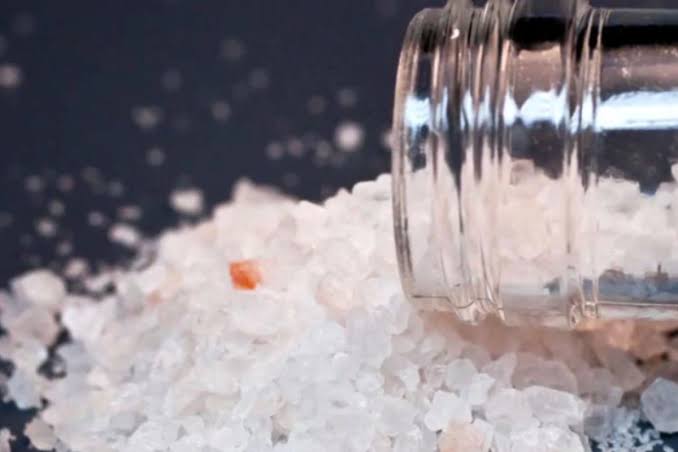
MDPHP is a synthetic cathinone with stimulant properties that has been examined primarily through forensic, toxicological, and laboratory research. Scientific information about it remains limited compared with more extensively studied substances. Researchers have investigated its chemical behavior, biological effects, metabolism, and appearance in intoxication cases. Because formulations can vary and the identity of an unknown material cannot be established reliably from appearance alone, MDPHP Freebase should be approached as a substance with uncertain and potentially significant risks.
Stimulant-Related Effects
Research indicates that MDPHP can affect biological systems involved in stimulant activity and neurotransmitter signaling. Reported effects in documented cases include increased alertness, agitation, restlessness, altered behavior, elevated heart rate, and increased blood pressure.
The intensity of these effects can vary according to several factors, including the amount involved, chemical purity, individual physiology, and whether other substances are present. This variability makes it difficult to predict how a particular exposure will affect an individual. Laboratory findings can provide useful information, but they cannot establish that a particular amount is safe for human use.
Cardiovascular and Neurological Concerns
Toxicological reports have associated MDPHP exposure with cardiovascular and neurological complications. Rapid heartbeat and elevated blood pressure may place additional stress on the cardiovascular system, while severe stimulation can be accompanied by agitation, confusion, anxiety, or unusual behavior.
More serious intoxication can involve overheating, impaired consciousness, seizures, breathing difficulties, or other medical complications. Such symptoms should be treated as potential emergencies rather than as expected or harmless effects of stimulant exposure.
Challenges in Toxicological Research
One of the major difficulties in studying MDPHP is the limited amount of controlled human research. Much of the available evidence comes from case reports and forensic investigations. These sources are valuable because they document real-world exposures, but they also have limitations.
For example, individuals involved in reported intoxication cases may have been exposed to multiple substances. Differences in purity, concentration, medical history, and circumstances can also affect the observed outcome. Researchers therefore have to be cautious when determining whether a particular symptom resulted directly from MDPHP or from a combination of factors.
Chemical Identification and Testing
Reliable identification is another important safety issue. Novel psychoactive substances may be sold or encountered under informal names that do not necessarily correspond to their actual chemical composition. A powder described as a particular compound may contain impurities, another psychoactive substance, or a mixture of chemicals.
Laboratory techniques such as chromatographic separation combined with mass spectrometry can help identify MDPHP and its metabolites more accurately. Such analytical approaches are especially useful in forensic investigations and suspected poisoning cases.
Potential Signs of Toxicity
Warning signs following exposure to a potent stimulant can include severe agitation, chest discomfort, unusually rapid or irregular heartbeat, extreme overheating, confusion, seizures, difficulty breathing, or loss of consciousness. These symptoms can indicate serious toxicity and warrant immediate medical attention.
Anyone seeking medical care after a suspected chemical exposure should provide healthcare professionals with whatever reliable information is available about the substance and circumstances of exposure. Attempting to manage severe symptoms without professional assistance can delay necessary treatment.
Why Scientific Evidence Matters
The available evidence does not establish a predictable safe exposure level for MDPHP. Instead, research highlights uncertainty surrounding its pharmacology, toxicity, metabolism, and real-world composition. Long-term health effects are also not sufficiently characterized.
Understanding MDPHP Freebase therefore requires distinguishing established scientific observations from assumptions based on informal descriptions. Current toxicological information supports caution because serious stimulant-related effects have been documented, while important questions about long-term consequences and individual susceptibility remain unresolved.
Conclusion
MDPHP is a psychoactive stimulant associated with documented toxicological concerns, including cardiovascular, neurological, and behavioral effects. The limited human evidence and frequent presence of additional substances in reported cases make interpretation challenging. Reliable chemical testing is important when the identity of a substance is uncertain, while severe symptoms following suspected exposure require prompt medical attention. Continued research is necessary to clarify the substance’s pharmacology, metabolism, toxicity, and longer-term health implications.